

VCM thought leadership
Why some SMEs struggle to embrace change: and how to make it easier
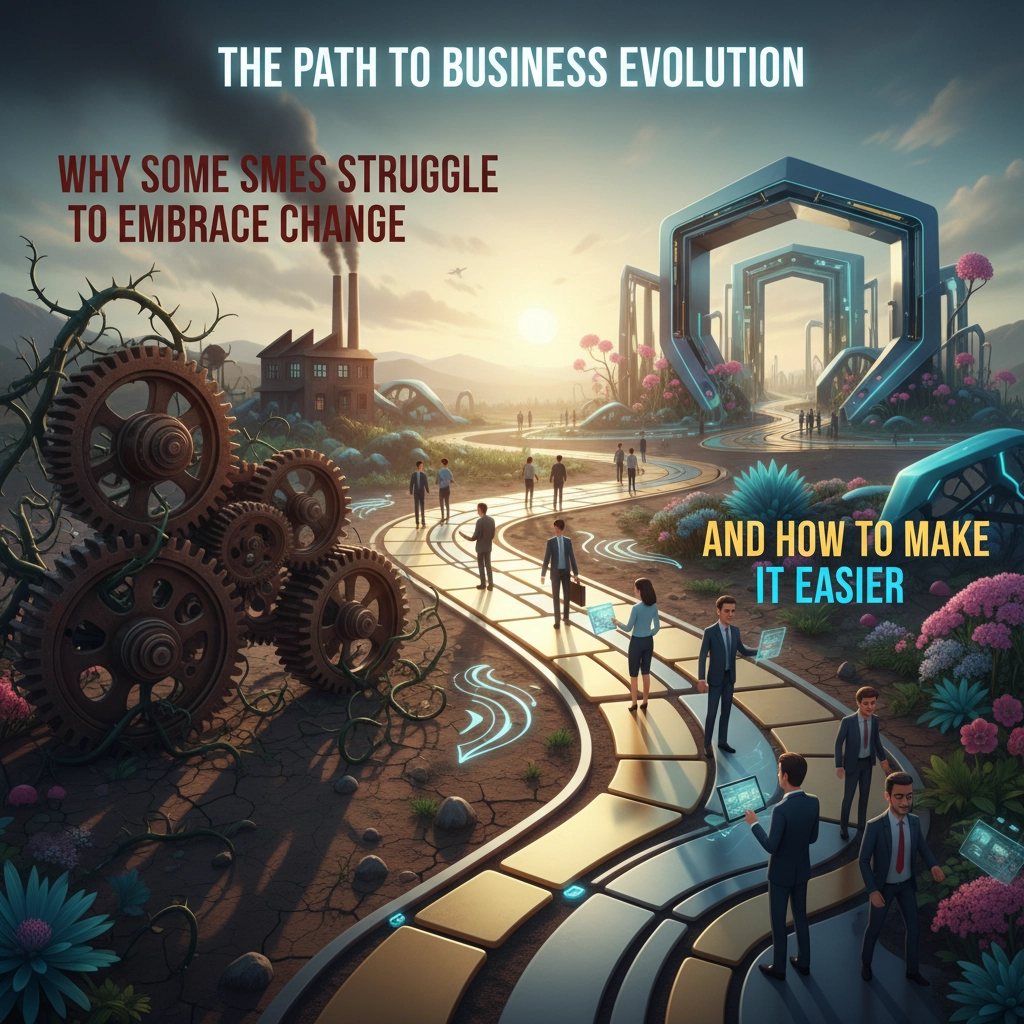
If you're running a small or medium-sized business, you've probably felt that familiar knot in your stomach when someone mentions "digital transformation" or "change management." We get it. While your larger competitors seem to pivot effortlessly with dedicated change teams and bottomless budgets, you're left wondering: "How can I possibly keep up when I'm already stretched thin?"
The truth is, 82% of SME leaders now recognize that adapting to change isn't optional: it's essential for survival. Yet most still feel completely unprepared for the reality of implementing meaningful change. You're not alone in this struggle, and more importantly, you're not powerless to overcome it.
The Real Reasons SMEs Find Change So Difficult
Every penny counts: and change feels expensive
Let's be honest about the elephant in the room: money. When multinational corporations allocate millions to transformation programs, they're working with budgets that represent pocket change compared to their annual revenue. For SMEs, that same investment might represent 10-15% of your entire turnover.
This creates a dangerous misconception that change management is a luxury small businesses can't afford. But here's the reality: you actually have less margin for error than big corporations. You can't absorb failed initiatives, recover from poor decisions, or weather extended periods of disruption. That makes effective change management more critical, not less.
You're stuck in the middle: too big for simple, too small for sophisticated
Medium-sized enterprises with 50-250 employees occupy particularly treacherous territory. You're large enough to have developed organizational complexity: departmental silos, management layers, established processes: yet too small to have dedicated change management resources or formalized procedures.
In smaller businesses with minimal staff, the challenge is different but equally daunting. Each employee represents a significant percentage of your workforce, making resistance to change immediate and organization-wide. When your bookkeeper, customer service representative, and operations coordinator are all the same person, disrupting their workflow affects everything.

Experience comes at a cost you haven't paid yet
Most SME leaders are brilliant at what they do: whether that's manufacturing, retail, professional services, or technology. But managing major organizational change? That's a completely different skillset, one that typically comes from expensive mistakes or costly external consultants.
You're often flying blind, focusing intensely on the "what" and "why" of change while neglecting the critical "how." Without comprehensive change management strategies, even well-intentioned initiatives can create chaos instead of improvement.
Close relationships can become barriers
Here's something that surprises many SME leaders: those close-knit workplace relationships you've cultivated can actually amplify resistance to change. While personal connections between leadership and staff create trust, they can also magnify concerns about job security and personal impact.
When Sarah from accounting has worked alongside you for seven years, her resistance to new financial software isn't just professional: it's personal. She's not just worried about learning new systems; she's concerned about her value to the organization and her ability to continue contributing meaningfully.
Sustaining momentum feels impossible
You've probably experienced this cycle: initial enthusiasm for a new process or tool, followed by gradual abandonment as daily pressures take over. SMEs struggle with sustaining momentum after implementation because there's rarely dedicated support for ongoing change management.
Communication gets overwhelming, benefits aren't clearly communicated, and expectations become unrealistic. You end up pushing too hard, too fast, creating mistakes and change fatigue that makes future initiatives even more difficult.
How to Make Change Easier (Without Breaking Your Budget)
Turn your size into your superpower
Stop trying to replicate what large corporations do. Your structural advantages are considerable: communication pathways are shorter, decision-making is faster, and leadership maintains proximity to staff. You can pivot quickly, make decisions without endless committee meetings, and maintain personal relationships throughout the change process.
Instead of formal, process-heavy approaches, adopt agile, relationship-based strategies that align with your organizational culture and resource constraints. Your ability to be nimble is a competitive advantage, not a limitation.
Put people first, technology second
Behind every resistance to change is a person with legitimate concerns about their role, competence, and future. Address these human factors before diving into technical implementations. Take time for one-on-one conversations, acknowledge concerns openly, and provide clear paths for skill development.
This doesn't mean endless meetings or hand-holding. It means honest communication about what's changing, why it's necessary, and how you'll support people through the transition. A personalized, hands-on approach works better than standardized processes when you're dealing with smaller teams.
Create a strategy, but keep it flexible
Successful change requires comprehensive planning, but that doesn't mean rigid adherence to predetermined steps. Invest significant time upfront in developing a change management strategy using established frameworks like Kotter's 8-Step Process or Prosci's ADKAR Model as starting points.
However, remain flexible enough to adapt as circumstances change. Your strategy should be a living document that evolves based on feedback, results, and changing business conditions. Dogmatic implementation of any framework will create more problems than it solves.

Work with your culture, not against it
Change initiatives that conflict with existing corporate culture face an uphill battle. Before beginning any transformation, ensure alignment between senior management and front-line employees on organizational priorities, goals, and reward structures.
If your company values personal relationships and collaborative decision-making, don't implement top-down mandates without consultation. If you've built a culture of innovation and risk-taking, don't suddenly become overly cautious about change implementation.
Expect resistance and manage it proactively
Resistance isn't a character flaw or failure of leadership: it's a predictable human response to uncertainty. Build this expectation into your planning and create specific strategies for managing it.
Bring people along at a pace they can tolerate. Build a strong guiding coalition early, improve communication strategies, and create multiple opportunities to address misunderstandings and build trust. Remember, resistance often masks legitimate concerns that, when addressed, can actually improve your change initiative.
Celebrate small wins and set realistic timelines
Marketplace demands and executive enthusiasm can create pressure for rapid transformation, but moving at a sustainable pace reduces mistakes and prevents burnout. Break larger changes into smaller, manageable phases that allow for learning and adjustment.
Create and celebrate short-term wins to maintain momentum and enthusiasm. When people can see concrete benefits from change efforts, they become advocates rather than resistors. This is especially important when change requires significant behavioral shifts or personal sacrifices.
How VCM Makes Change Management Accessible for SMEs
We understand that traditional business consulting often feels designed for enterprises with unlimited budgets and dedicated change teams. That's why we've developed approaches specifically tailored for SME realities.
Our business resilience consulting focuses on practical, implementable strategies that work within your resource constraints. We don't just tell you what to change: we show you how to manage the human and operational aspects of transformation effectively.
Through our subscription-based consultancy model, you get access to change management expertise without the traditional consulting price tag. We work alongside your team as partners, not external authorities, providing ongoing support as you navigate transformation challenges.
Whether you're implementing new technology, restructuring operations, or adapting to market changes, we help you leverage your SME advantages while addressing the unique challenges you face. Because change management isn't a luxury: it's a critical business capability that every organization needs to develop.
The Bottom Line
Change is inevitable in today's business environment, but chaos isn't. SMEs that learn to embrace change effectively don't just survive: they thrive by moving faster and more decisively than their larger competitors.
The key is recognizing that your size isn't a disadvantage to overcome: it's a strategic advantage to leverage. With the right approach, support, and mindset, you can turn organizational agility into competitive superiority.
Your business doesn't need to change everything at once. It just needs to change the right things, in the right way, at the right pace. And that's entirely within your reach.