

VCM thought leadership
The Proven Value Chain Optimization Framework That Boosted Customer Engagement by 40%
Let's be honest: most businesses are struggling with customer engagement right now. You've probably noticed it too. Customers seem less loyal, harder to reach, and frankly, more demanding than ever. Email open rates are dropping, social media engagement feels forced, and despite all your marketing efforts, you're not seeing the customer connection you need to drive real growth.
Here's the thing: while everyone's chasing the latest marketing trends and throwing money at digital ads, the smartest companies are taking a completely different approach. They're looking at their entire value chain and asking a simple question: "How can we make every single touchpoint with our customers more valuable?"
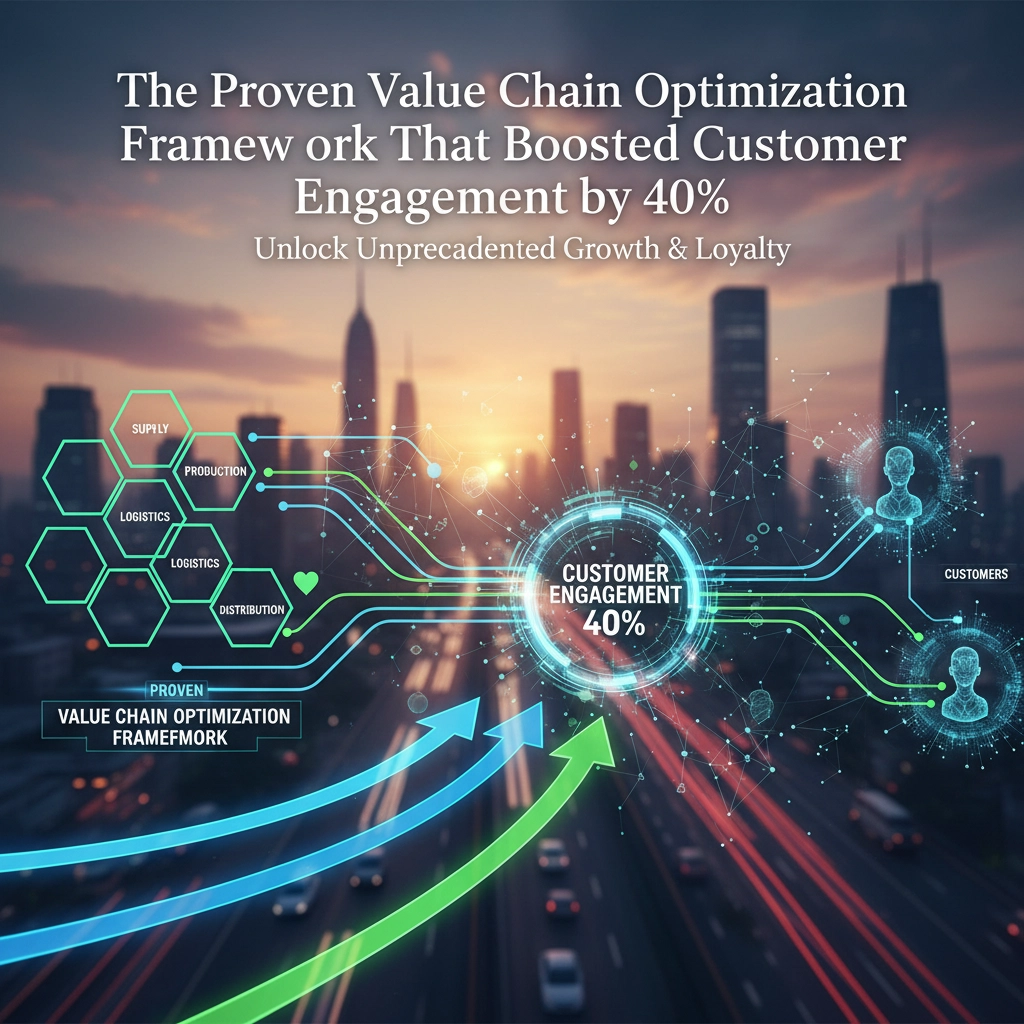
And the results? Companies using strategic value chain optimization are seeing customer engagement improvements of up to 40%. That's not a typo: we're talking about nearly half again as much meaningful interaction with your customers.
What Actually Is Value Chain Optimization for Customer Engagement?
Before we dive into the framework, let's clear something up. Value chain optimization isn't just about making your operations more efficient (although that happens too). It's about redesigning how value flows through your entire organization so that every step creates a better experience for your customers.
Think about it this way: your value chain includes everything from how you source materials to how you handle customer service calls. When you optimize this chain with customer engagement in mind, you're essentially creating more opportunities for meaningful interactions at every stage.

The companies seeing that 40% boost in customer engagement aren't just tweaking their marketing: they're rethinking their entire approach to value creation. They're asking questions like:
How can our procurement process help us offer better products to customers?
What if our operations team worked directly with our customer success team?
How can we use data from our supply chain to predict what customers want next?
The Four Pillars of Customer-Centric Value Chain Optimization
After working with dozens of organizations on their business transformation services, we've identified four key pillars that consistently drive results:
1. Strategic Customer Intelligence Integration
This isn't just collecting customer data: it's about embedding customer insights into every decision across your value chain. The most successful companies create feedback loops that flow from customers all the way back to product development and supplier relationships.
For example, one of our clients started sharing customer feedback directly with their suppliers. The result? Their suppliers began proactively suggesting improvements that led to a 25% increase in customer satisfaction scores within six months.
2. Digital Transformation with Purpose
Here's where many companies go wrong: they digitize everything without thinking about the customer impact. Effective value chain optimization uses technology to enhance customer relationships, not replace them.
The companies achieving that 40% engagement boost are using AI and automation to free up their people for higher-value customer interactions. They're using predictive analytics to anticipate customer needs before customers even realize they have them.

3. Operational Efficiency That Customers Actually Feel
This is about making your behind-the-scenes improvements visible to customers. When you streamline your operations, customers should experience faster service, more consistent quality, or better pricing.
We worked with a manufacturing client who optimized their production scheduling based on customer order patterns. Not only did they reduce costs by 15%, but customers started receiving orders 3 days faster on average. That kind of improvement builds loyalty.
4. Supplier and Partner Ecosystem Alignment
Your suppliers and partners are part of your customer's experience, whether you realize it or not. Companies with optimized value chains ensure every partner in their ecosystem is aligned with their customer engagement goals.
The Implementation Framework That Delivers Results
Now, here's the practical part: how do you actually implement this? Based on our experience in operational efficiency consulting, here's the step-by-step approach that works:
Phase 1: Map Your Current Customer Journey Through Your Value Chain
Start by tracking how customers interact with your organization at every stage. Don't just look at the obvious touchpoints like sales and support. Consider:
How does your procurement process affect product quality customers receive?
How do your internal operations impact delivery times?
Where are there gaps between what you promise and what you deliver?
Phase 2: Identify High-Impact Optimization Opportunities
Look for places where small changes in your value chain could create big improvements in customer experience. Often, these are in the "invisible" parts of your operations that customers don't see directly but definitely feel.
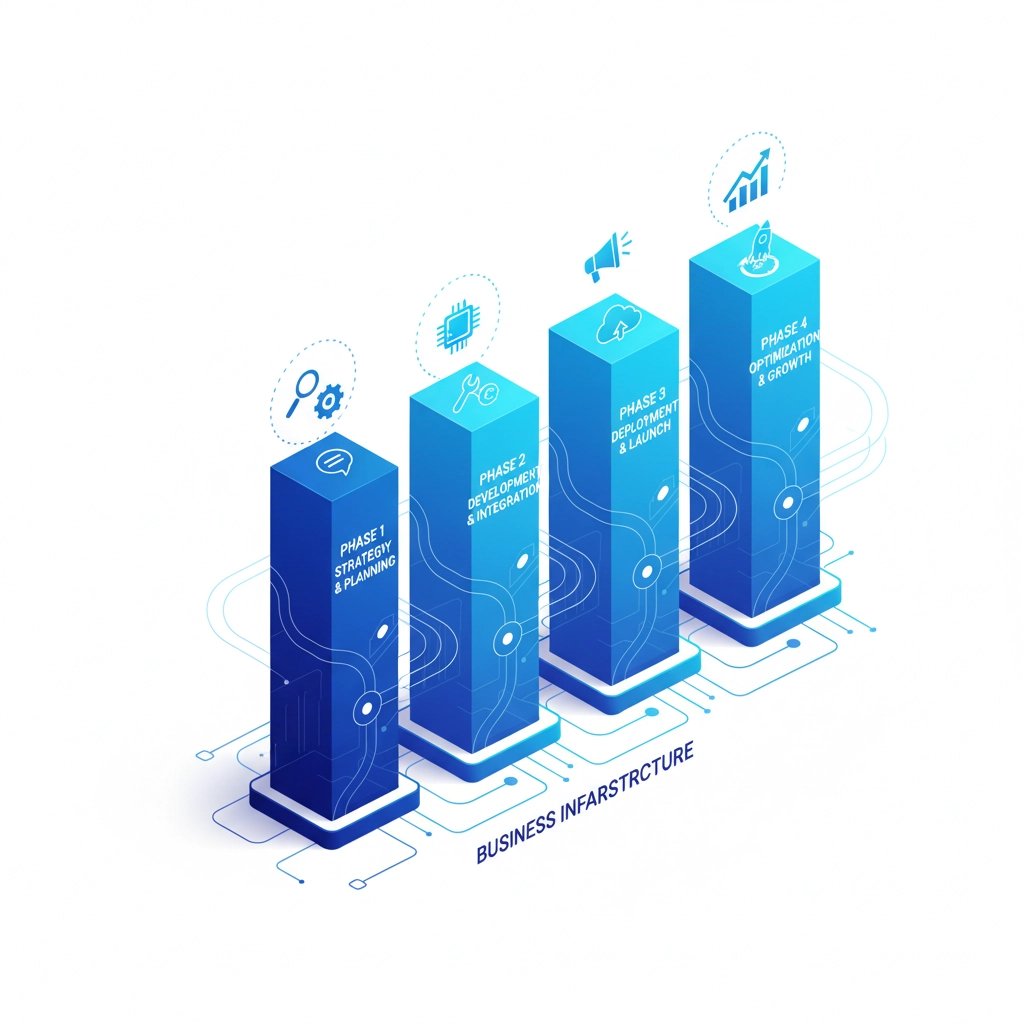
Phase 3: Implement Technology for Customer Benefit
This is where digital transformation meets customer engagement strategies. Implement tools and processes that make your team more responsive to customers, not more isolated from them. Every piece of technology should answer the question: "How does this make things better for our customers?"
Phase 4: Create Cross-Functional Customer Teams
Break down the silos between your value chain functions. Create teams that include people from operations, supply chain, customer service, and sales. These teams should meet regularly to discuss how they can work together to improve customer experience.
Measuring Your Success: The Metrics That Matter
Here's how you know if your value chain optimization is actually improving customer engagement:
Leading Indicators:
Customer response times across all touchpoints
First-contact resolution rates
Proactive customer outreach success rates
Internal collaboration metrics between departments
Customer Engagement Metrics:
Customer lifetime value growth
Repeat purchase rates
Net Promoter Score improvements
Customer effort score reductions
Business Impact Measures:
Revenue per customer
Customer acquisition cost efficiency
Cross-sell and upsell success rates
The companies achieving that 40% engagement boost typically see improvements across all these metrics within 6-12 months of implementation.

Real-World Example: From Siloed Operations to Integrated Customer Experience
One of our recent clients: a mid-sized manufacturing company: was struggling with customer complaints about inconsistent delivery times and product quality. Their operations were efficient on paper, but customers weren't feeling it.
We helped them redesign their value chain with customer engagement at the center. They integrated their production planning with customer success data, aligned their supplier quality standards with customer expectations, and created cross-functional teams focused on customer outcomes.
The results? Customer engagement scores improved by 38% within eight months, and customer retention increased by 22%. More importantly, they began receiving unsolicited positive feedback from customers who noticed the improvements.
Why Most Companies Miss This Opportunity
Here's the reality: most organizations treat their value chain and customer engagement as separate challenges. They optimize operations for efficiency and handle customer engagement through marketing and sales. But the companies seeing dramatic results understand that these two areas are completely interconnected.
Your value chain IS your customer experience. Every decision you make about how work flows through your organization affects how customers perceive and interact with your brand.
Getting Started: Your Next Steps
If you're ready to see what optimized customer engagement looks like in your organization, here's how to begin:
Audit your current state: Map out your value chain and identify where customer experience gaps exist
Prioritize high-impact changes: Look for operational improvements that customers will directly experience
Build cross-functional alignment: Get your teams talking to each other about customer outcomes
Implement measurement systems: Track both operational efficiency and customer engagement metrics
The truth is, value chain management isn't just about cutting costs or improving productivity: it's about creating sustainable competitive advantage through better customer relationships.
At Value Chain Management, we've helped companies across industries achieve these kinds of results through strategic business consulting that connects operational excellence with customer success. We're not magicians, but we do understand how to make the invisible parts of your business work better for your customers.
Ready to explore what a customer-centric value chain could do for your organization? The companies that start this journey now will be the ones leading their industries in customer loyalty and growth over the next decade.