

VCM thought leadership
The Resilience Imperative: Navigating the $110/barrel Oil Era and Strategic Supply Disruptions

You’re likely staring at your screen right now, watching the ticker for Brent Crude push through the $110/barrel mark, feeling a sense of déjà vu that nobody wanted. It’s March 2026, and the headlines coming out of the Middle East aren't just geopolitical noise anymore, they are direct threats to your quarterly margins. If you’ve felt a tightening in your chest as you look at your logistics costs this week, you’re not alone. Most business leaders are currently scrambling to figure out how a conflict thousands of miles away just added a 15% surcharge to their latest shipping manifest.
The reality is stark: the Iran/Middle East conflict has moved beyond diplomatic tension and into a full-blown economic disruptor. With the Strait of Hormuz, the world's most important oil artery, facing unprecedented volatility, the "just-in-time" models we spent years perfecting are looking increasingly like "just-too-late" liabilities.
But here’s where it gets interesting. While some companies will buckle under the weight of these skyrocketing fuel prices, others are using this moment to permanently rewire how they operate. At Value Chain Management, we’ve seen that the difference between a crisis and a pivot lies in one word: Resilience.
The Strait of Hormuz: Why This Bottleneck is Different in 2026
You’ve heard about supply chain "choke points" before, but the current situation in the Strait of Hormuz is a masterclass in global dependency. When nearly 20% of the world’s liquid petroleum gas and oil passes through a single, narrow waterway, any localized conflict becomes a global tax on every business that moves goods.
When oil hits $110/barrel, it isn't just about the fuel in your fleet’s tanks. It’s about the plastic in your packaging, the energy required to run your manufacturing plants, and the "last-mile" delivery costs that are suddenly eating your profits alive. Sound familiar? You’re likely seeing your suppliers pass these costs down to you almost daily.
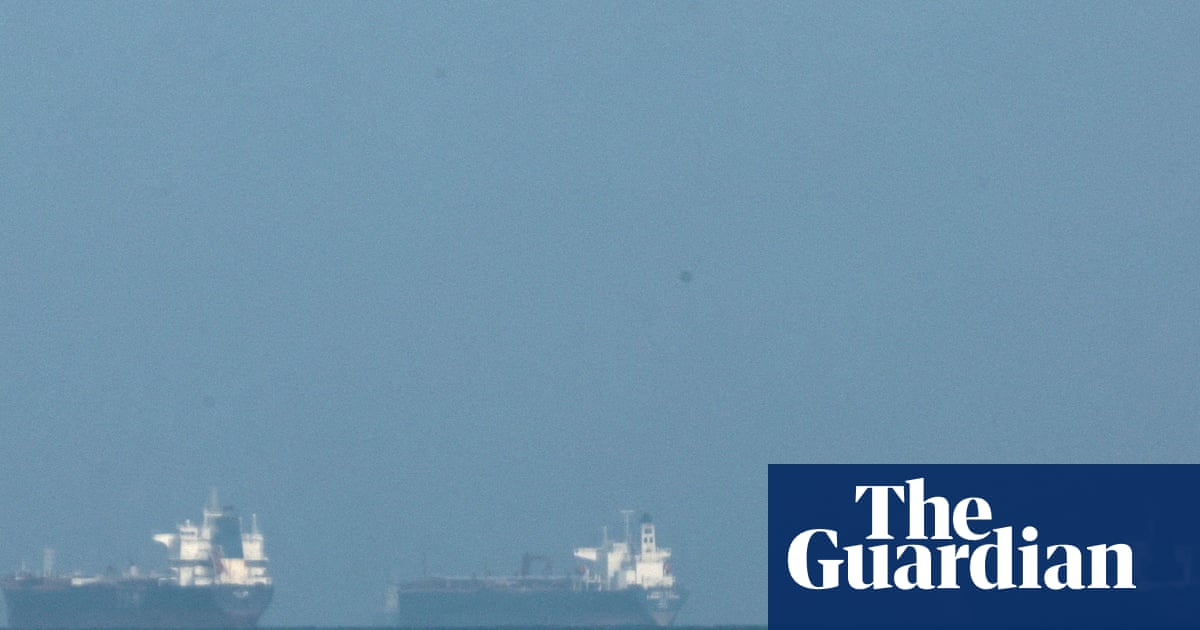
The thought hits you: Can we just wait this out? The short answer is no. Market data suggests that even if tensions ease, the floor for energy prices has shifted. We are entering a sustained period of high-cost logistics. The companies that survive aren't the ones with the biggest cash reserves, but the ones with the most agile value chains.
The Ripple Effect: The Human Impact You Can’t Spreadsheet Away
Let’s talk money — but not just freight rates and invoices. When fuel spikes to $110/barrel, the inflationary pressure doesn’t land all at once; it rolls through your value chain like a slow-motion wave and hits your people and customers first.
Direct Transport Costs: This is the obvious one. Ocean freight and trucking rates are already up 22% since the start of the year.
Raw Material Surcharges: Your suppliers are facing the same energy hikes you are. Expect "energy adjustment fees" to become a permanent fixture on your invoices.
Employee Commuting Costs (Frontline, Office, Everyone): This is the bit most leadership teams underweight until it’s too loud to ignore. Higher pump prices don’t just increase your fleet costs — they increase your workforce’s cost of showing up. That means:
Customer Pricing Pressure (And the Trust Tax): As fuel hits households directly, you’re seeing customers become brutally price-sensitive. Your options narrow fast: absorb costs and watch margin bleed, or pass costs on and watch volume soften. Either way, you’re negotiating with reality — and with customer trust. If you raise prices without explaining why, or if your competitors hold price for even a few weeks longer, you can lose accounts that took years to win.
Here’s the kicker: most businesses treat these as separate problems. HR tries to calm the workforce, procurement fights the suppliers, logistics fights the carriers, and sales tries to justify price hikes to angry customers. This siloed approach is exactly why businesses fail during volatility. Without strategic alignment, you’re just playing a game of expensive whack-a-mole.
Why Your Current Strategy is Failing (And It’s Not Your Fault)
Here’s where most business leaders get confused: they think resilience means having a "Plan B." In reality, in a $110/barrel world, you need a Plan B, C, D, and a digital system that can switch between them in real-time.
If you are still relying on spreadsheets and "gut feelings" to manage your supply chain, you are flying blind into a storm. Traditional forecasting models are based on historical data, but there is no historical precedent for the specific combination of AI advancement and geopolitical instability we see in 2026.
McKinsey research has shown that companies with robust resilience strategies report 20-30% faster recovery times from disruptions. Yet, many businesses are still stuck in a reactive loop. You wait for the disruption, you feel the pain, and then you try to fix it. That's not management; that's survival.

AI as Your "Digital Team Member"
You might be thinking, "Another person telling me AI is the answer?" But think of AI not as a buzzword, but as a highly capable assistant that never sleeps and sees patterns you can’t.
In the context of the Middle East crisis, AI-driven predictive analytics can analyze satellite data, shipping manifests, and geopolitical sentiment to give you a "scout on the ridge." Imagine knowing three days before a shipment reaches the Strait that it needs to be rerouted or that you should pull inventory from a secondary, local supplier.
At Value Chain Management, we help businesses integrate these "digital team members" to:
Stress-test scenarios: What happens if oil hits $120? What if the Strait closes for 30 days?
Dynamic Sourcing: Automatically shifting orders to suppliers in less volatile regions when risk scores hit a certain threshold.
Inventory Optimization: AI can help you reduce out-of-stock items by up to 15%, a stat Walmart achieved by moving away from legacy systems, ensuring you have what you need before the prices jump again.
Learn more about how we implement these technologies on our projects page.
Breaking the Single-Source Habit
If the 2026 crisis has taught us anything, it’s that "cheap" is the most expensive thing you can buy if it only comes from one place. Diversification is no longer a "nice to have"; it is a survival requirement.
You’ve likely relied on a single geographic source because the margins were better. But when that source is blocked by a naval standoff, your margin becomes zero. You need to build operational redundancy. This means:
Regionalizing your supply chain: Sourcing closer to your end customer to cut out the long-haul fuel costs.
Dual-Sourcing: Keeping a "warm" relationship with a secondary supplier, even if they are slightly more expensive. Think of the extra cost as an insurance premium.
It’s about building a culture that balances threats with opportunities. Yes, $100 oil is a threat. But if you can maintain supply while your competitors are stuck waiting for a ship that’s anchored off the coast of Oman, you’ve just gained market share.

Financial Resilience: More Than Just a Rainy Day Fund
Let’s be honest: building resilience costs money upfront. Whether it’s investing in new tech or holding more safety stock, it impacts your liquidity. However, the cost of inaction is infinitely higher.
Strategic resilience involves maintaining healthy liquidity and minimizing unnecessary debt so you can pivot when the market shifts. It’s about being able to implement cost-cutting measures without gutting the essential operations that will drive your recovery. If you're wondering where to start, our FAQ section covers some of the common hurdles businesses face when restructuring for volatility.
The Path Forward: What Should You Do Monday Morning?
The thought of overhauling your entire value chain while oil prices are screaming upward is daunting. You’re not alone in feeling overwhelmed. But the "Resilience Imperative" means taking the first step before the next headline hits.
Here is your immediate action plan:
Audit Your Exposure: Which of your products are most dependent on high-fuel logistics? Map your Tier 1 and Tier 2 suppliers. How many are tied to the Middle East?
Align Your Leadership: Get your heads of Finance, Supply Chain, and Sales in one room. Stop managing the crisis in silos.
Invest in Visibility: If you can't see it, you can't manage it. Look into data integration tools that provide a real-time view of your global footprint.
Reach Out for Expertise: Sometimes you're too close to the problem to see the solution. At Value Chain Management, we specialize in helping businesses navigate exactly these kinds of global shocks.
The $100 oil era isn't just a challenge to be endured; it’s a signal that the old ways of doing business are over. You can either be a victim of the volatility or the leader who builds a more robust, intelligent, and aligned organization because of it.
If you’re ready to stop reacting and start leading, contact us today. Let’s talk about how we can secure your value chain against whatever the world throws at it next.

The world is changing fast, and the Strait of Hormuz is just the beginning. The question isn’t whether more disruptions are coming: it’s whether you’ll be ready when they arrive. For more information on who we are and how we help, visit our About Us page.
Don't wait for the next price hike. Build your resilience now.